Rainham Storage Recycling and Sustainability
 At Rainham Storage, sustainability is built into everyday operations, from how goods are moved to how waste is sorted and processed. As a modern recycling-focused storage provider, the aim is to support a cleaner local environment while keeping services practical for households, businesses, and community organisations. Our recycling percentage target is to divert at least 90% of operational waste away from landfill, using reuse, segregation, and responsible transfer wherever possible. That means separating cardboard, plastics, metals, wood, and mixed dry recyclables before they are sent onward for treatment.
Rainham and the wider boroughs around it already take a fairly structured approach to waste separation, and that makes a meaningful difference. Paper, glass, tins, and plastics are commonly sorted into different streams, while bulky items are handled through specialist routes. We support that same principle in our own day-to-day work. By aligning with local recycling habits, Rainham storage sustainability becomes more than an internal policy; it becomes part of the wider circular economy, where materials are recovered and returned to use rather than discarded.
Our operations also rely on working with nearby local transfer stations, which help consolidate waste efficiently and reduce unnecessary mileage. These facilities play a key role in ensuring that suitable materials are diverted into the correct recycling streams.  Using transfer stations close to the area supports lower emissions, quicker turnaround times, and better control over the quality of separated waste. It also means that materials such as pallets, shrink wrap, and office packaging can be handled with a greater chance of reuse or recycling, rather than being mixed and lost to landfill disposal.
Partnerships, Reuse, and Responsible Sorting
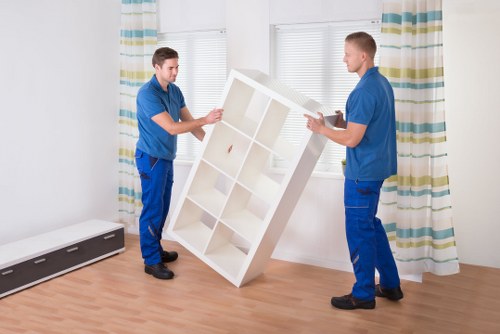
Another important part of our sustainability approach is working with charities and community partners. Items that are still in usable condition, including furniture, shelving, archived office items, and household belongings from storage clearances, may be redirected to charities where appropriate. This partnership approach helps extend the life of products and supports local causes at the same time. In practice, Rainham Storage recycling is not only about waste treatment; it is also about reuse before recycling, which remains one of the most effective ways to cut environmental impact.
We also keep a close eye on how different boroughs manage waste because local systems can vary. Some areas emphasise strict separation of food waste, mixed dry recycling, and residual rubbish, while others focus on household-specific collection schedules and specialist drop-off points for textiles or small electricals.  By understanding these borough-level differences, Rainham Storage sustainability measures can stay compatible with the waste infrastructure that surrounds us. This is especially useful when coordinating collection loads that may include cardboard, paper, polystyrene, wood, and metal components from storage units or business relocations.
Practical recycling also includes attention to small but important details. For example, we aim to keep contamination low by ensuring that plastics are not mixed with food waste, and that recyclable cardboard remains dry and clean before collection. Low-contamination segregation improves the likelihood that materials can be processed successfully at recycling facilities. In addition, we encourage the careful handling of bubble wrap, pallet film, and packaging straps so they can be bundled for appropriate recovery rather than sent out as general waste.
Low-Carbon Transport and Operational Efficiency
 Transport is another area where emissions can quickly add up, so we have invested in low-carbon vans to reduce the environmental footprint of local journeys. These vehicles are selected to improve fuel efficiency and lower carbon output, especially for frequent trips between storage sites, transfer stations, and collection points. For Rainham storage recycling activities, that means fewer emissions per journey and a more efficient fleet overall. As more routes are planned carefully, we can reduce empty mileage and make better use of each vehicle load.
Our fleet strategy goes beyond fuel savings. It also supports better scheduling, fewer repeat trips, and improved load consolidation, all of which contribute to lower overall emissions. In a busy local area, that matters. The combination of low-carbon vans, efficient routing, and nearby waste facilities creates a practical model for sustainable storage in Rainham. Even when dealing with mixed collections, the objective remains the same: move materials responsibly, reduce waste wherever possible, and limit the carbon cost of each operational step.
 Looking ahead, our commitment remains focused on continuous improvement. That includes keeping the 90% recycling target in sight, strengthening partnerships with charities, and refining how waste is sorted for different waste streams. It also means staying responsive to borough recycling practices, new materials recovery opportunities, and changes in low-emission transport technology. By combining these efforts, Rainham Storage can continue to support a cleaner, more resource-conscious future while keeping services reliable and efficient for the local area.